A CH³ initiative
Black Gold Project
From scraps to soil. From soil to food. From food to health.
The Black Gold Project is a free community composting, food justice, and ʻāina-stewardship initiative serving Koʻolauloa and the North Shore. It helps households turn everyday food scraps into "black gold" — living, nutrient-rich soil — and use it to grow food, restore the land, and strengthen community resilience from the ground up. Composting isn’t just a way to handle waste; it’s a regenerative act that mirrors healing itself — breaking down what no longer serves us and transforming it into nourishment.
Why It Matters
Black Gold responds to concerns about soil health shaped by generations of intensive agriculture, alongside the continuing challenges of high food costs, reliance on imported food, and organic waste entering the landfill. Black Gold works on all of it at once — at the household level, where change is realistic and lasting: less waste, healthier soil, more fresh food, and a renewed relationship to the land.
How It Works
Black Gold grows through a simple, supported cycle: waste → compost → living soil → food → health → community → stewardship. In practice:
Get set up
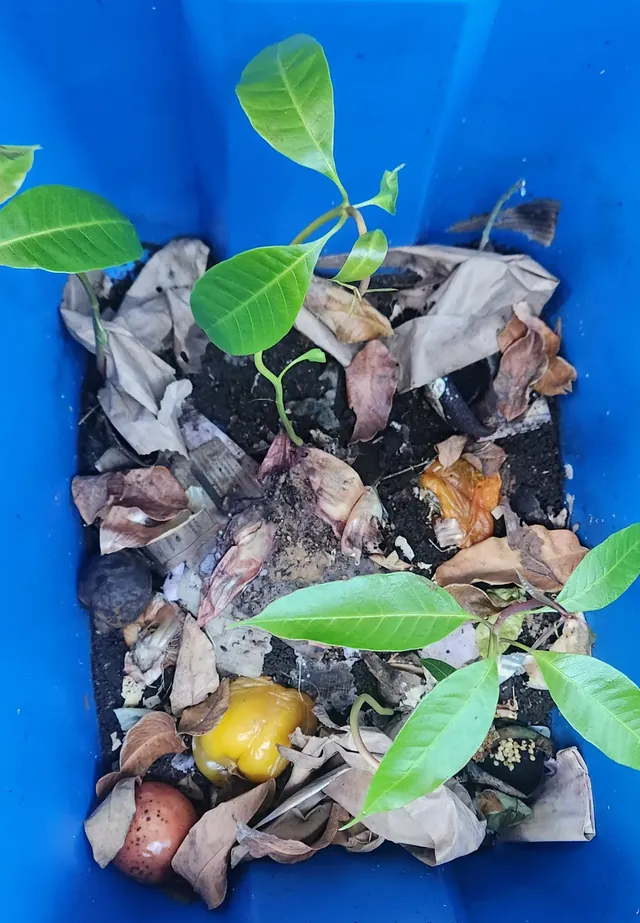
Participating households receive a compost bin starter and hands-on training in composting food scraps, managing moisture, and troubleshooting.
Get coached
Regular check-ins keep it going, solving problems and sustaining momentum through relationships and accountability.
Grow
Finished compost is used to grow priority foods like avocado, mango, sweet potato, and greens, with guidance and youth stewardship roles.
Harvest & share
Households share harvests, plant starts, and lessons, and celebrate what the community grew together.
Regenerate
Over time, the vision grows toward compost co-ops, seedling exchanges, and reinvesting in youth education.
From Scraps to Growth
Rooted in Culture and ʻĀina
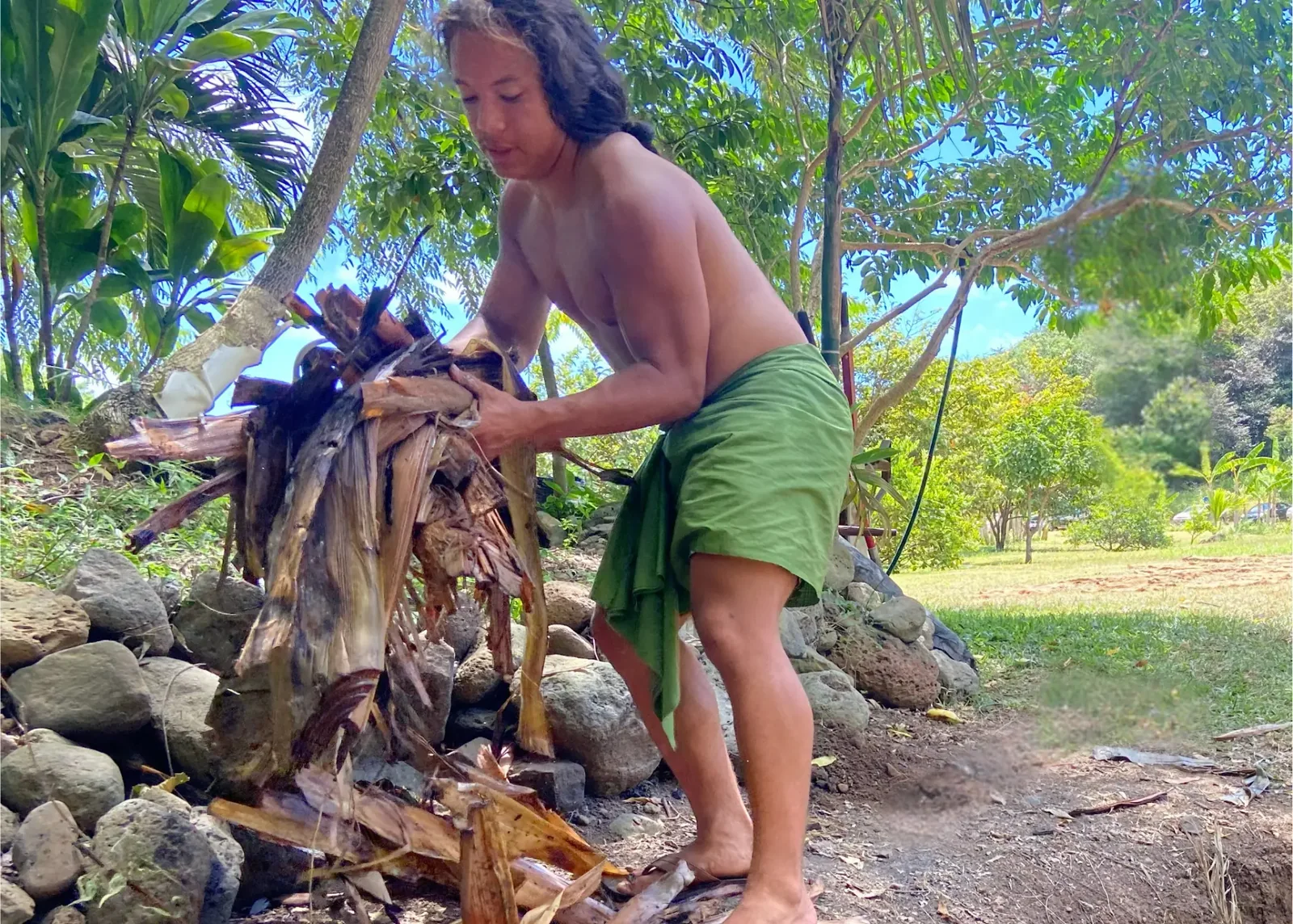
For many keiki, food is only ever a packaged product from a store. Black Gold restores the understanding of food as a living process—teaching where food really comes from, building respect for land and labor, and reconnecting community to the cultural value of kuleana (responsibility) and stewardship of ʻāina. Working with soil offers a grounding way to reconnect with ʻāina and practice mālama ʻāina—caring for the land that feeds and sustains us. When keiki help feed the soil and grow food, that living relationship helps them understand how the ʻāina provides for us—and the kuleana we carry to care for it in return.
Where It Came From
The Black Gold Project grew out of R.I.C.E., CH³'s first program, which wove together healing movement and food-and-land work. As the food-and-ʻāina side grew, it became the Black Gold Project. (R.I.C.E. is part of CH³'s origin story, not a current program.)
Informed by Advisor Expertise
Black Gold is informed by CH³ advisor D.S. "Dee" Epperson, whose experience includes composting, soil biology, and regenerative systems.
What Our Pilot Taught Us(early pilot results, not final outcomes)
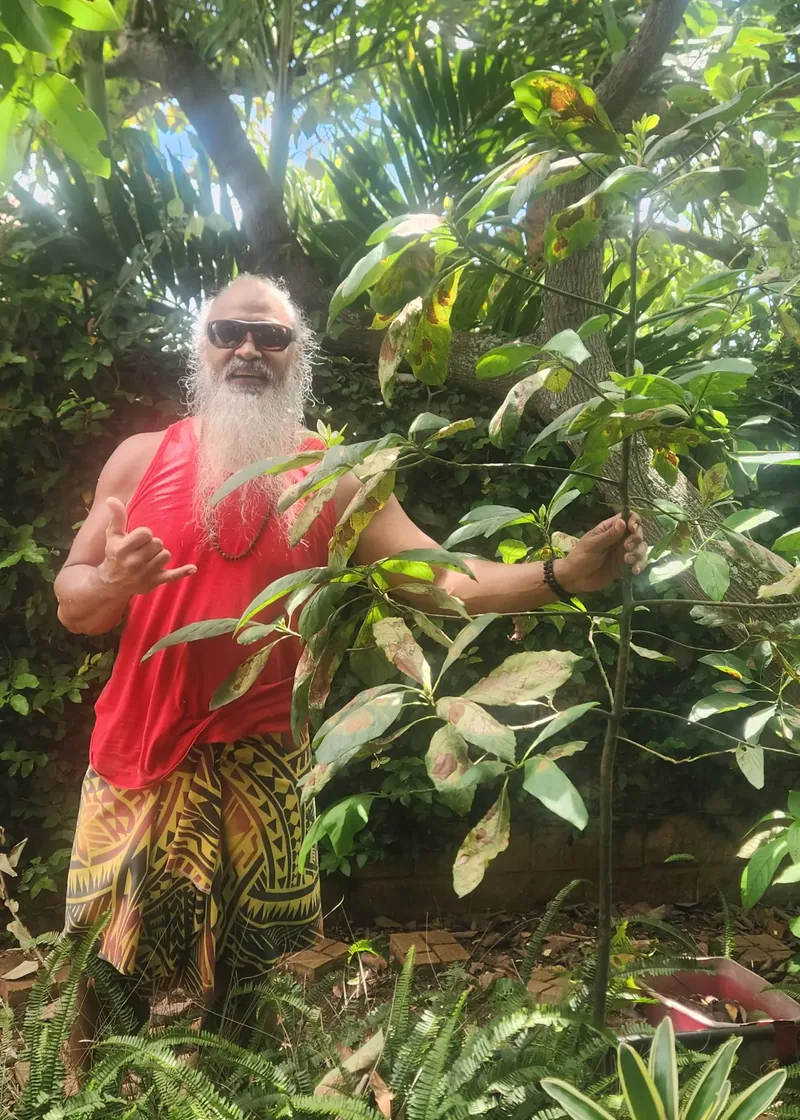
In May 2025, CH³ distributed 20 compost-bin starters to participating households. In a sample connected with five active bins, CH³ documented 45 plants and starts, including mango, avocado, sweet potato, papaya, and green onion. The pilot also showed that distributing equipment alone is not enough to support lasting participation. Consistent education, practical troubleshooting, check-ins, and community support were identified as priorities and now help shape the developing program model.
What Grows From It
Grow & Give
Grow & Give extends the Black Gold cycle by sharing plants and starts grown or propagated through the project with community members who can care for them at home.
As plants become ready, available gifts may include:
- Fruit and food plants: mango, avocado, guava, papaya, and cacao.
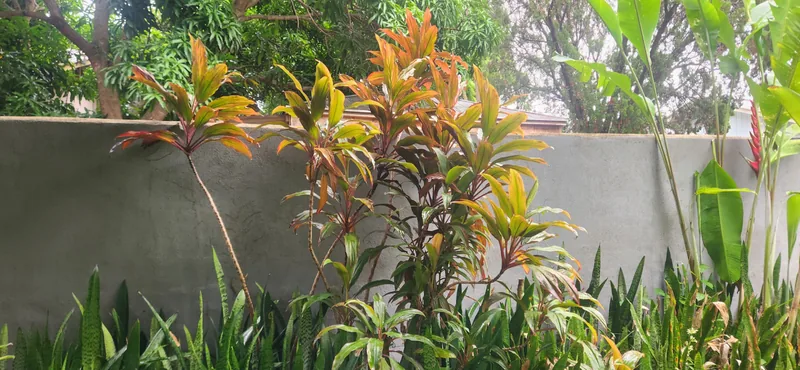
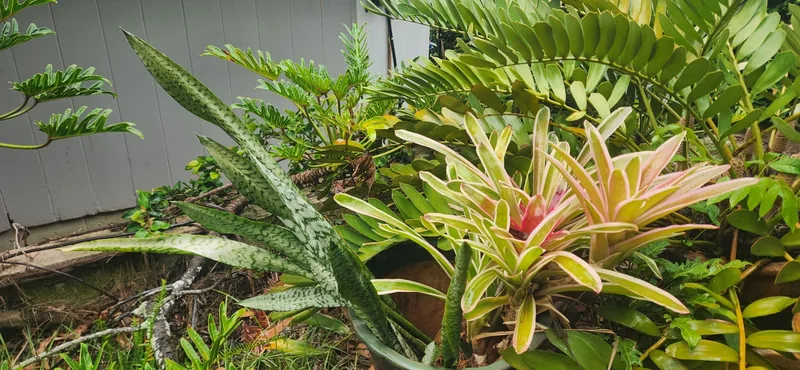
- Cultural and landscape plants: ti plants, bromeliads, snake-plant varieties, and plumeria.
Availability changes as plants mature. Community members can contact CH³ to ask what is currently available. CH³ also hopes to follow each plant’s journey—where it is planted, how it grows, what the family learns, and, when applicable, what it produces.
Ask About Available Plants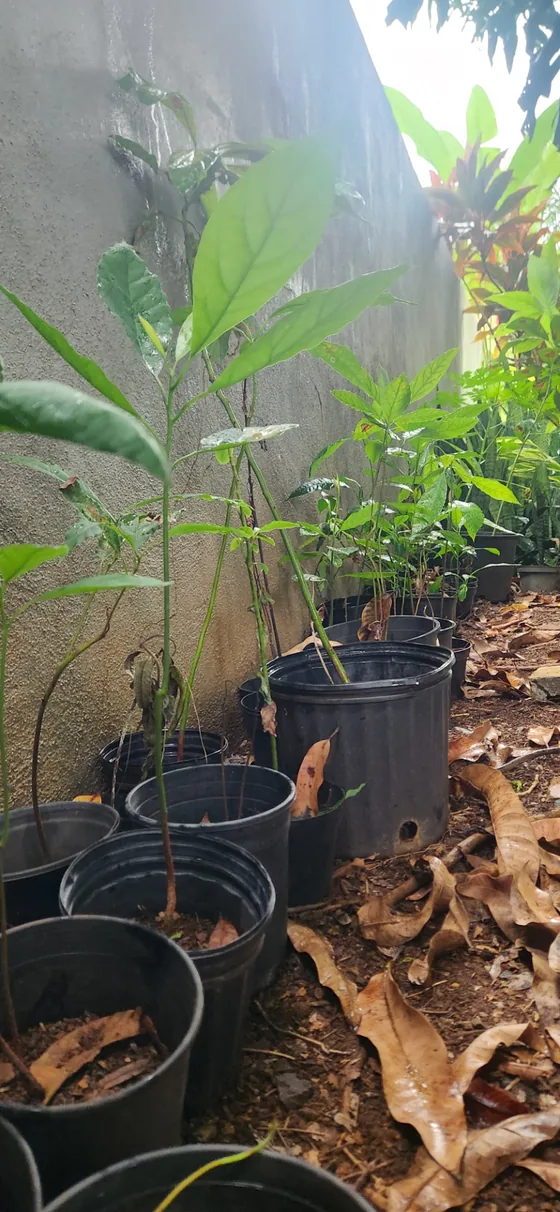
Want to Start Composting? Request a Kit!
The Black Gold Project is free for participating households. Interested community members can request a compost-bin starter and practical guidance for turning everyday food scraps into living soil.
Kits are offered as supplies, funding, and program capacity allow. CH³ will follow up about availability and next steps.
CH³ welcomes grants, contracts, sponsorships, donations, and partner funding that help keep the project free and growing.
Request a Compost KitA request expresses interest and does not guarantee immediate kit availability.
Turn Waste Into Life
Whether you're a household ready to compost, a school or community organization, or a funder or sponsor who wants to help the work grow, reach out — let's build healthier soil, food, and community together.
Help Families Turn Food Scraps Into Soil, Food and Possibility
High food costs, dependence on imported food, and everyday organic waste affect families across our communities. Your support helps CH³ equip households to compost, grow, learn, and strengthen their relationship with food and ʻāina.
Online donations support CH³’s general charitable work, not a restricted program fund, and are used where they are needed most across our mission and communities.